
Learning from Technology
Many of our needed technologies await re-discovery in the published but inaccessible literature.
Our work identifies promising existing technologies that can contribute to climate adaptation planning.
We will learn more from the design process and collaborations to identify successful practices in knowledge transfer across disciplines. This will prepare us to learn from natural systems.
Where are the prototypes?
Technology, itself, is a knowledge holder. It represents the outcome of human creativity and perceived need. It can also represent a history of direction or bias.
Whether we learn from it or against it, we cannot ignore existing technology. To ignore existing technology is to waste it.
Where are the prototypes? How might we find them? We begin by searching patents and published literature. Using trained AI models, we balance the need to be comprehensive with precision. Finding the tech that meets the needs of the planet is not a simple task.

Scoping the globe
Our mission is to seek out as many existing technologies that could be useful in enhancing/supporting/replacing ecosystem services. We do this work reluctantly and with the understanding that our priority must be ecological conservation.
Around the world, there are fascinating and important technologies that are being used in conjunction with our natural world.
We begin by doing a global, English language, search of potential technologies as described in the published literature.
Using broad search terms such as POLLINATION*TECHNOLOGY*ECOSYSTEM SERVICES, we found over 25,000 articles. This was a lot! So we sorted through it, both manually and digitally, to curate a list of existing technological knowledge that can be helpful in designing new technologies.
Check out our article here
The methods of biological support/enhancement/replacement are diverse. They include bio-inspiration, bio-utilization, biomimetics, and bionics. Each of these is connected to natural biological processes in some way. Check out the case studies below to learn more.
Bio-inspiration
Acts on a human designer to guide them in creating technologies that are more sustainable, and better integrated into the natural world.

Bio-utilization
The partnership between technology and biology. The technology supports the natural functions of the biological systems.
Biomimetics
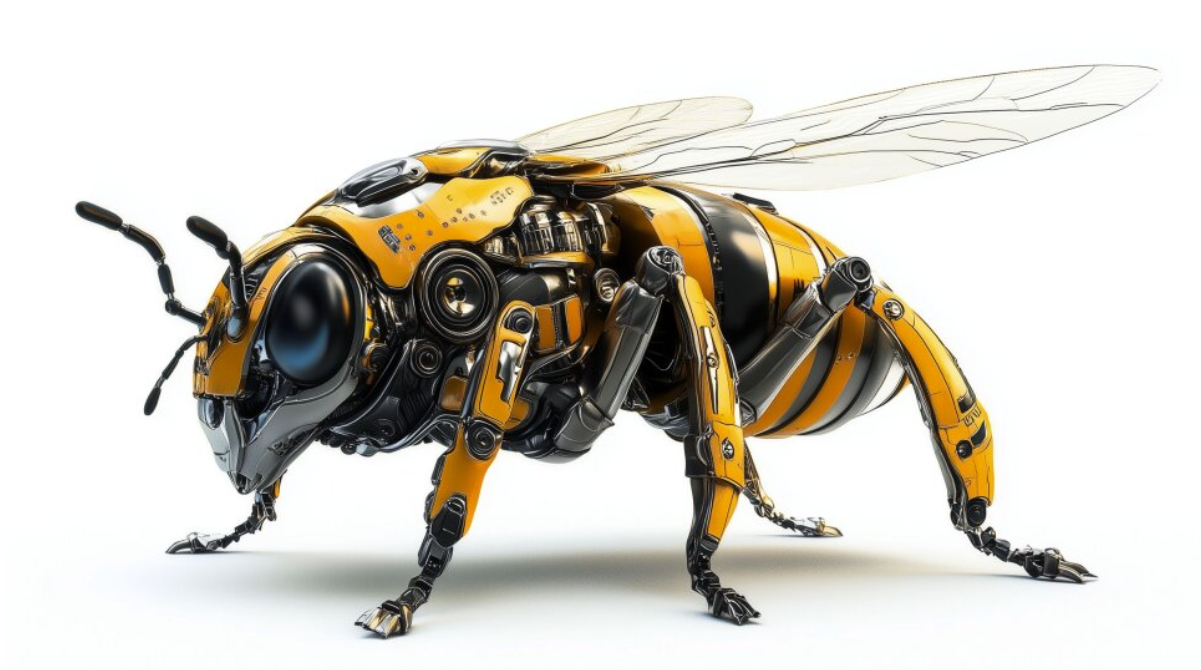
The intentional mimicking of natural functions using technology.
Bionics
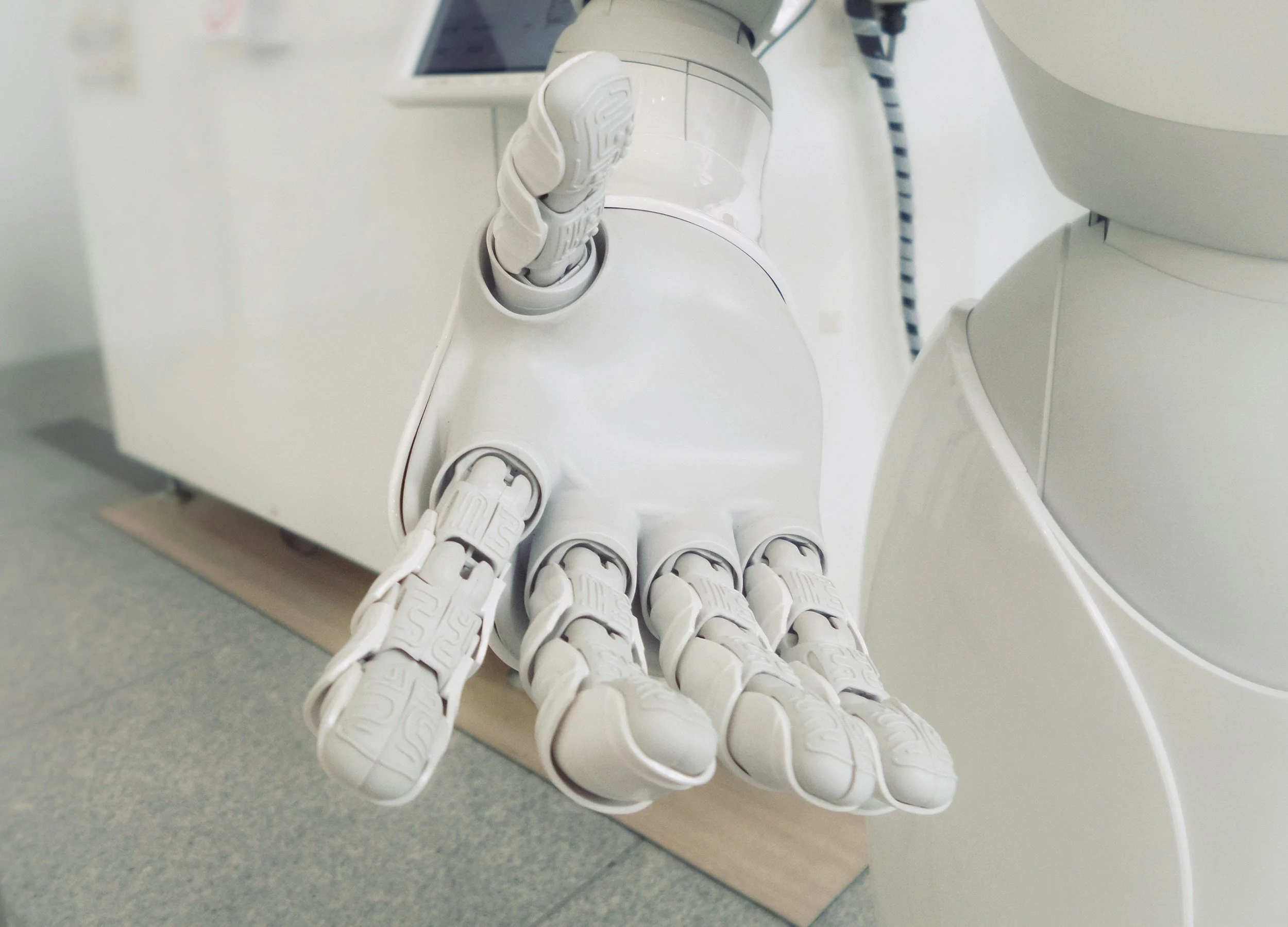
Mechanical systems that function like a living organism (or a part of a living organism).
Bio-utilization
Bio-utilization technologies create a relationship between the natural world and a desired technological function. At its best, bioutlization can be a mutualistic connection that benefits humans and the species involved.

Floating Islands - Biohaven Technology
-
Floating Islands clean water at the ecosystem level, re-establishing natural processes that keep water abundant and alive.
-
Floating Islands harness natural biological processes to clean water, removing contaminants from the water column by mechanical processes (filtration and sedimentation) and biological processes (nutrient cycling into periphyton via biofilm, phyto-remediation).
-

-
To support and safeguard biodiversity while restoring natural landscapes by identifying enzymes from natural sources, such as fungi, tropical trees, and bacteria.
-
Leverages advanced DNA sequencing to analyze genetic codes, enabling the discovery of microbes with specialized enzymes capable of breaking down harmful industrial chemicals like petroleum, pesticides, and plastics. By identifying these enzymes from natural sources such as fungi, tropical trees, and bacteria, they develop solutions to restore and protect the environment. This cutting-edge approach combines biology and biotechnology to actively clean up pollution and promote biodiversity.
-
BluumBio - Biotech that cleans air, water, and soil
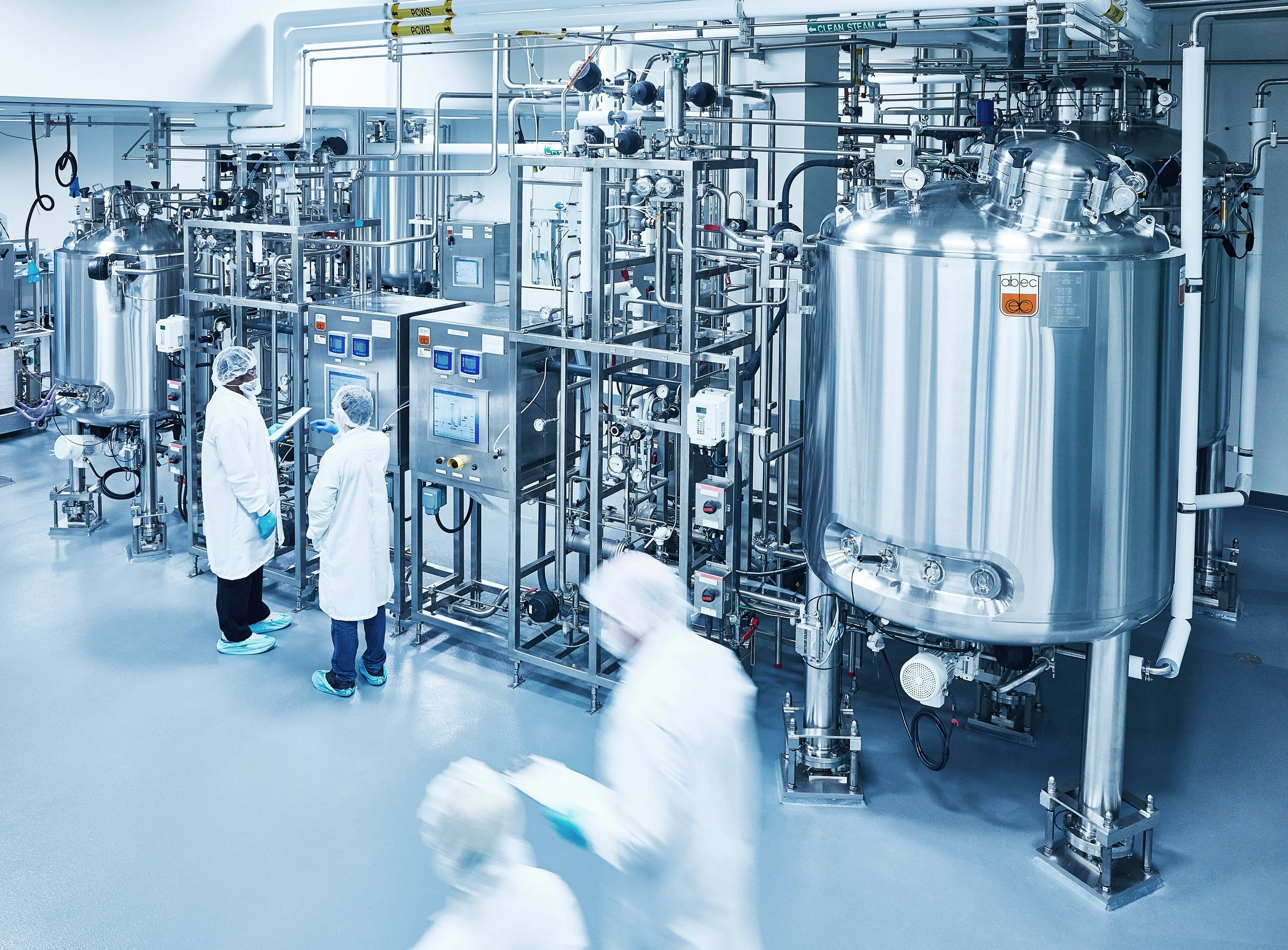

GOOD Meat - Cultivated meat from cells
-
To create a healthier, safer, and more sustainable food system by producing cultivated meat, which is real meat made from animal cells. This innovation aims to reduce environmental impact and improve food security.
-
The process begins by establishing cell banks, specifically chicken fibroblasts, which are cultured in bioreactors with a nutrient-rich broth containing amino acids, carbohydrates, minerals, fats, and vitamins that replicate the nutrients animals require for growth. The cells are then harvested and mixed with co-ingredients to form various meat products. This process is faster, more resource-efficient, and more sustainable compared to traditional animal agriculture, as it focuses on growing only the edible parts of the animal in a controlled environment.
-
Biomimetics
Biomimetics is the intentional mimicking of natural functions using technology.
-
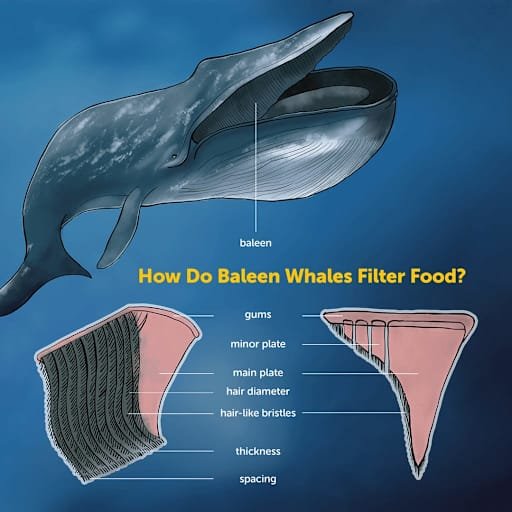
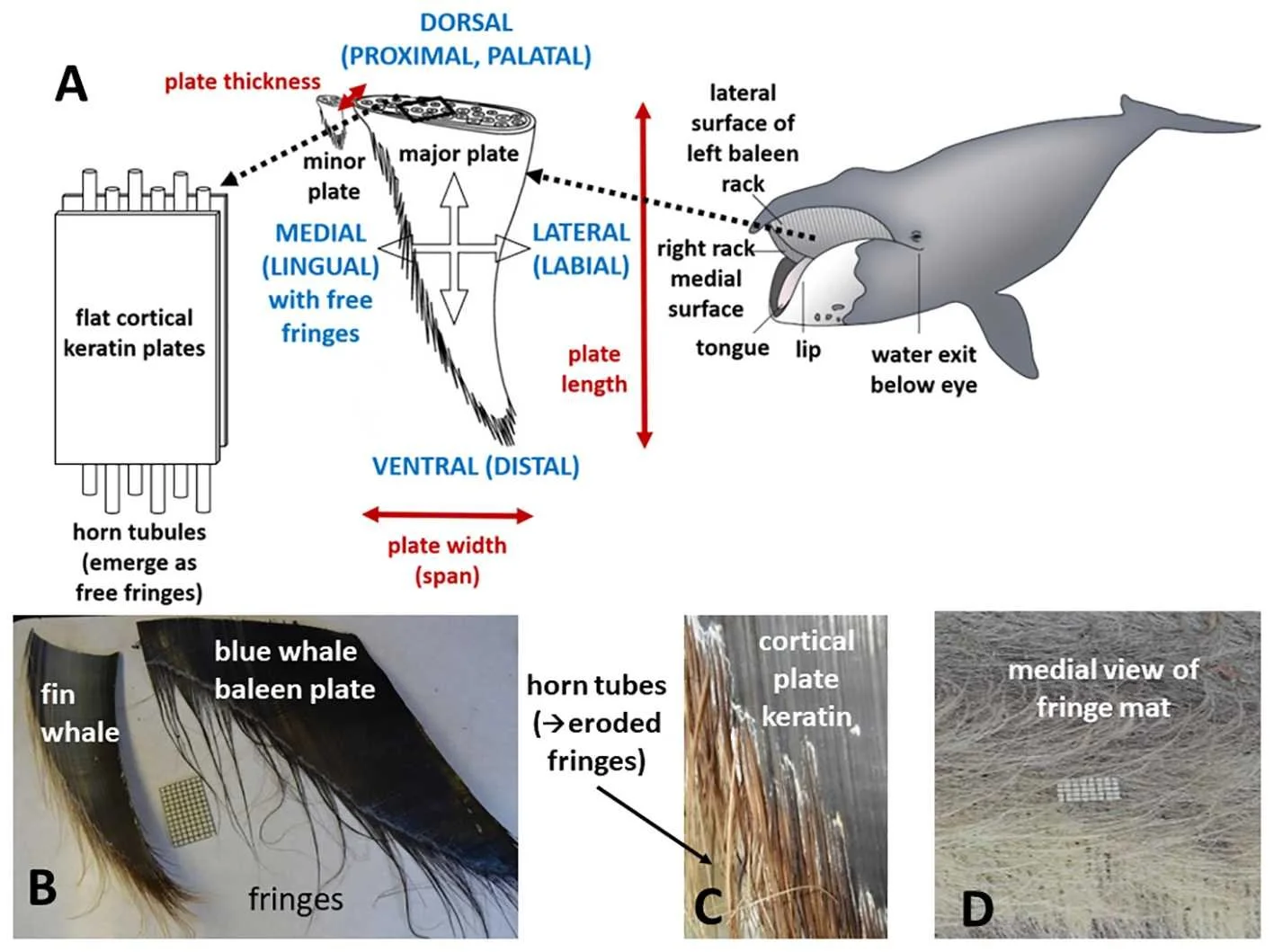
To filter microplastics and suspended particulates from water at large scale, using mechanical filter structures inspired by the baleen plates of whales that sieve prey from seawater.
-
Closely-spaced, flexible polymer plates mimic the keratin fringes of baleen, creating a flow-through filter that captures particles as small as microplastics. Periodic backwashing or vibration clears retained particles, mimicking the tongue-clearing action of baleen whales.
-
Visit Baleen Filters to learn more about biomimicry-inspired microplastic filtration technology: baleenfilters.com
Baleen Filters - Biomimicry Technology
-
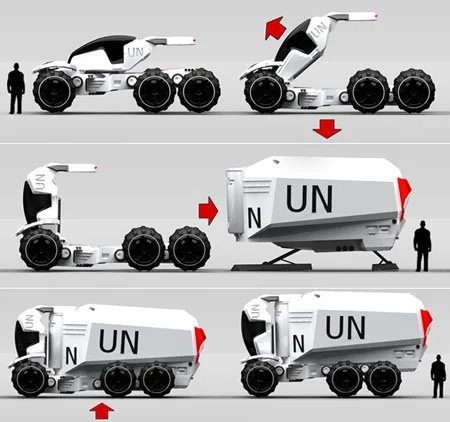
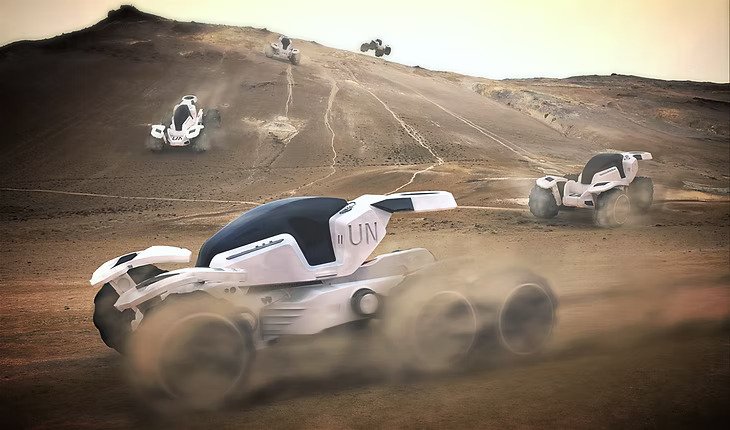
The A.N.T. (Aid Necessities Transporter) is a concept vehicle designed to support humanitarian organizations like the United Nations in delivering food, water, medical supplies, and temporary housing to disaster-stricken areas. It addresses the time lost during crisis response by providing a fast, all-terrain distribution system that operates in two modes: Transport Mode (carrying supplies into affected zones) and Rapid Mode (returning quickly to reload). Its supply unit can also expand into temporary shelter with built-in electricity and water generators.
-
Inspired by ant anatomy and behaviour, the A.N.T. is a 6-wheeled vehicle with an abdomen-like supply unit. It mimics the ant's ability to carry many times its own body weight and travel efficiently over any terrain. The vehicle is powered by six industrial electric in-wheel motors with rotational hydraulics for movement. Its adaptive suspension allows it to raise or lower itself for ground clearance or aerodynamics. The headpiece rotates 90° to switch between modes, and the supply unit expands via rotating side panels into a deployable shelter. Loading and unloading is guided electronically using the same unique suspension system.
-
View the full A.N.T. concept by designer Bryan Lee at artbleed.com: https://www.artbleed.com/ant-aid-necessities-transporter
ANT - Aid Necessities Transporter
-
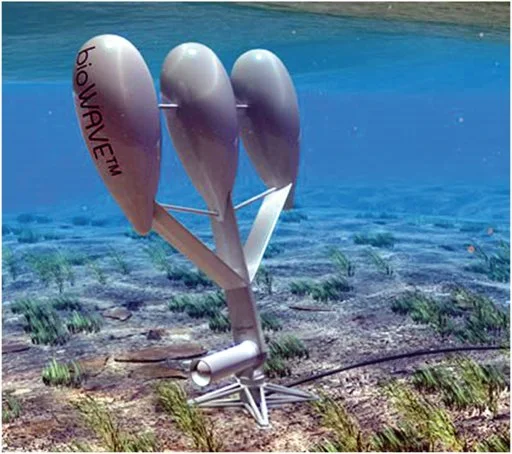
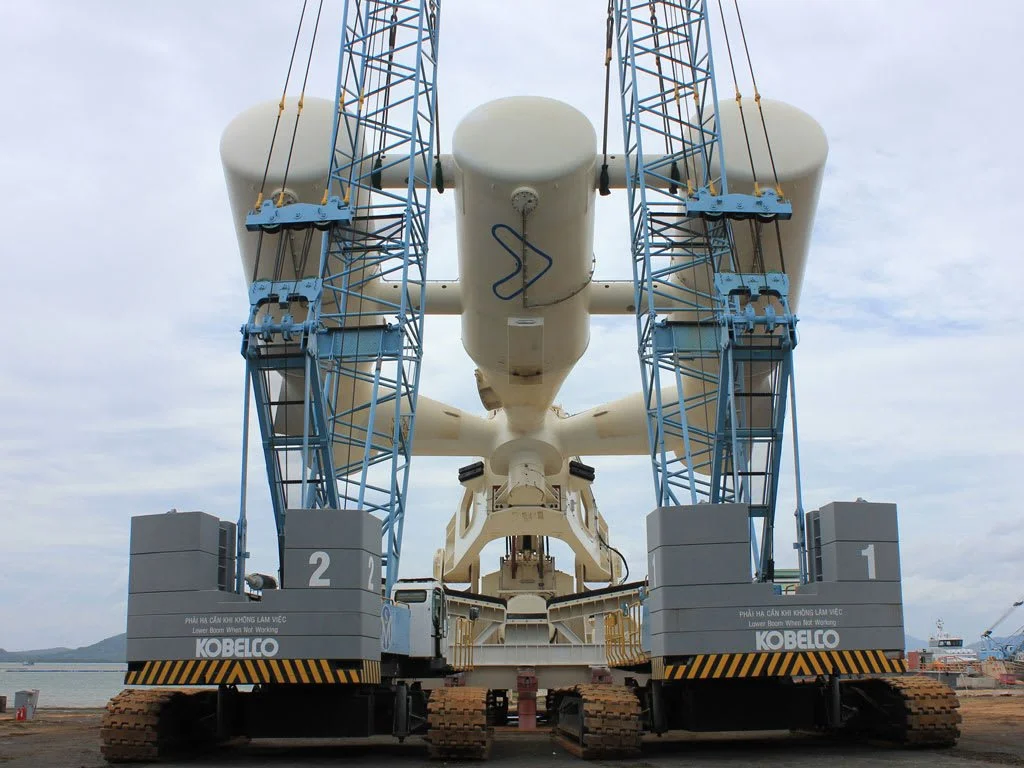
To generate renewable electricity from ocean wave energy, mimicking the biomechanics of sea plants and fish to harness oscillating fluid dynamics.
-
A tethered buoyant spine, anchored to the seafloor, deflects in response to passing waves — mimicking the flexible bending of kelp and sea grasses. The oscillating motion drives a hydraulic power take-off system to generate electricity with no fuel and minimal seabed footprint.
-
Visit BioPower Systems to learn more about the bioWAVE ocean energy converter: biopowersystems.com
BioWAVE - BioPower Systems
Bio-inspiration
Bio-inspiration uses ideas from nature to guide sustainable technology design without copying any single organism.